A piece of land became a skatepark.
The skatepark became a community. The community became part of a wider movement. And the movement became part of the growing story of skateboarding in Uganda.
What follows is the story of St. Charles Skatepark — from the gift of land and the beginning of construction to the young people who brought the concrete to life.
Dedication · To Mr. Bampalana Charles Kakooza
This story is dedicated to Mr. Bampalana Charles Kakooza, whose generosity provided the foundation upon which St. Charles Skatepark was built.
The land he donated in Nsagi Village became much more than a piece of property. It became a place where young people could gather, learn, play, develop their talents, build friendships, and imagine new possibilities for their futures.
His gift was not simply land. It was an opportunity. It was a statement of belief in young people. It was a foundation for the future.
THE SOUND OF WHEELS
There is a sound that has become part of the story of Nsagi Village.
It is the sound of skateboard wheels rolling across concrete.
At first, it may seem like an ordinary sound.
Four small wheels.
A piece of wood.
A young person pushing forward.
But listen closely, and the sound begins to tell a different story.
It tells the story of courage.
It tells the story of persistence.
It tells the story of friendship.
It tells the story of young people discovering that failure does not have to be the end.
Sometimes the sound is followed by a perfect landing.
Sometimes it is followed by a fall.
Sometimes there is laughter.
Sometimes there is encouragement.
And sometimes there is a hand reaching down to help a young skater get back up.
This is the story of St. Charles Skatepark in Nsagi Village, Uganda.
But St. Charles is more than a place where people ride skateboards.
It is a story about a vision.
It is a story about generosity.
It is a story about construction.
It is a story about community.
It is a story about young people.
And it is a story about what can happen when people believe that a better future can be built.
The story began with land.
It continued with a vision.
And in August 2019, that vision began taking physical shape.
BEFORE ST. CHARLES
Before there was a skatepark, there was Nsagi Village.
There were families.
There were children.
There were young people growing up and imagining what their futures might look like.
There were schools, homes, roads, businesses, farms, friendships, celebrations, struggles, and everyday life.
Like communities everywhere, Nsagi was filled with young people with different personalities, talents, dreams, and ambitions.
Some dreamed of becoming professionals.
Some dreamed of starting businesses.
Some dreamed of becoming teachers, doctors, engineers, artists, athletes, or community leaders.
Others simply wanted somewhere safe and positive where they could spend time with their friends.
For young skateboarders, however, there was another need.
They needed somewhere to skate.
Skateboarding is a sport that requires space.
It requires surfaces that allow riders to practice.
It requires obstacles and features that challenge them.
It requires a place where beginners can learn and experienced riders can continue developing.
Without such a place, skateboarding becomes much more difficult.
The idea of creating a dedicated skatepark therefore represented more than building a sports facility.
It represented creating an opportunity.
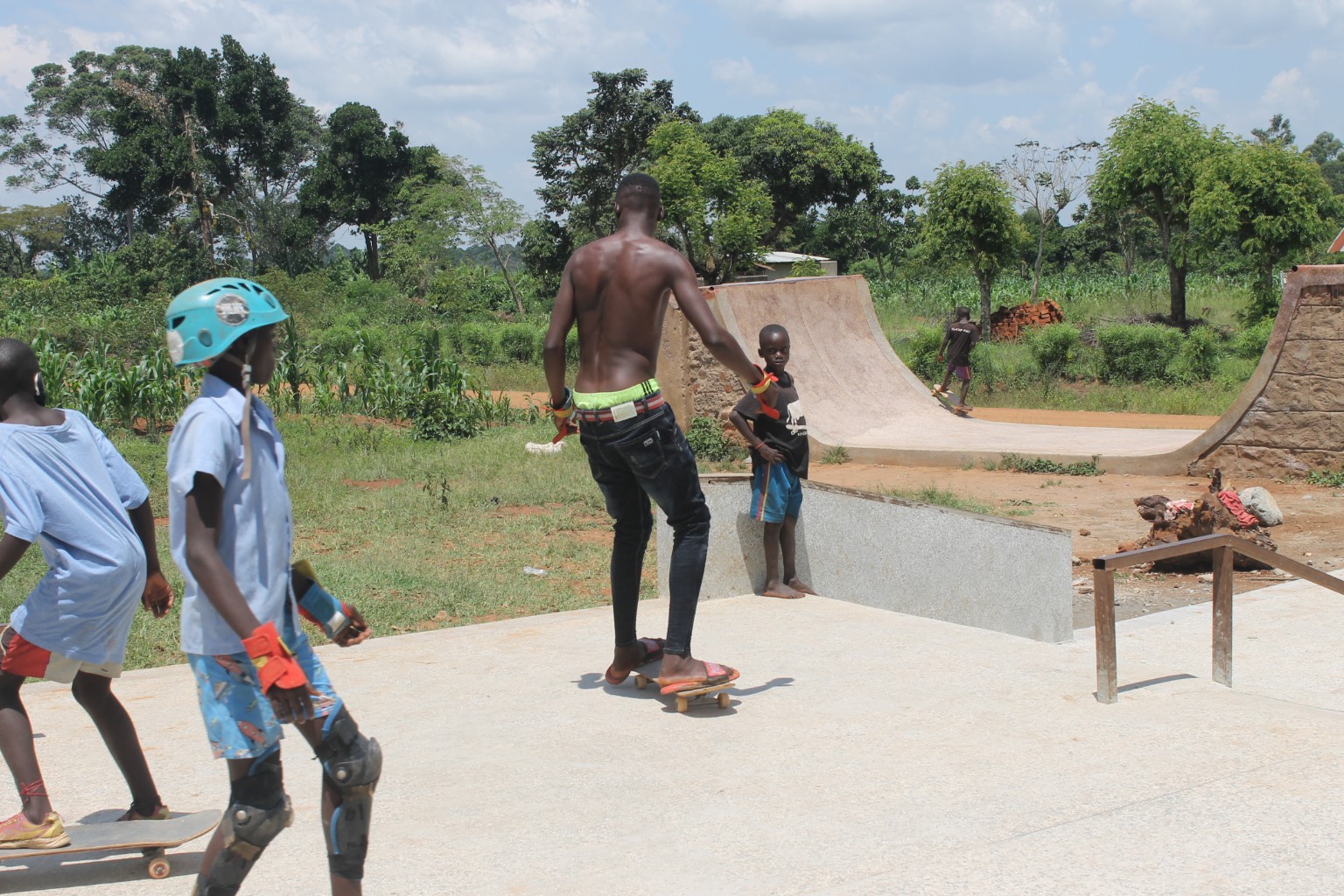
THE DREAM OF A SKATEPARK
Every major project begins with a dream.
Before there was concrete, there was an idea.
The idea was simple but powerful:
Create a place where young people could experience skateboarding.
Create a place where they could meet.
Create a place where they could learn.
Create a place where they could develop confidence.
Create a place that could become part of the community.
This vision became connected to The Skatepark Mission.
At the center of that mission was Kizza David, the founder of The Skatepark Mission.
Kizza David believed in the possibility of creating a skatepark that could serve young people and contribute to the development of skateboarding in Uganda.
But having a dream is one thing.
Turning that dream into reality is another.
The next question was:
Where would the skatepark be built?
THE GIFT OF LAND
The answer came through the generosity of Mr. Bampalana Charles Kakooza.
He donated the land in Nsagi Village on which St. Charles Skatepark would be built.
That contribution became one of the most important moments in the history of the project.
A skatepark needs a home.
The land provided that home.
It created a physical space where the vision could become reality.
The importance of that contribution cannot be separated from the story of the skatepark.
Without land, the dream could remain only an idea.
With land, there was now a place where people could begin building.
The gift created a foundation.
And upon that foundation, a much bigger story would eventually grow.
The land was there.
The vision was there.
Now the work could begin.
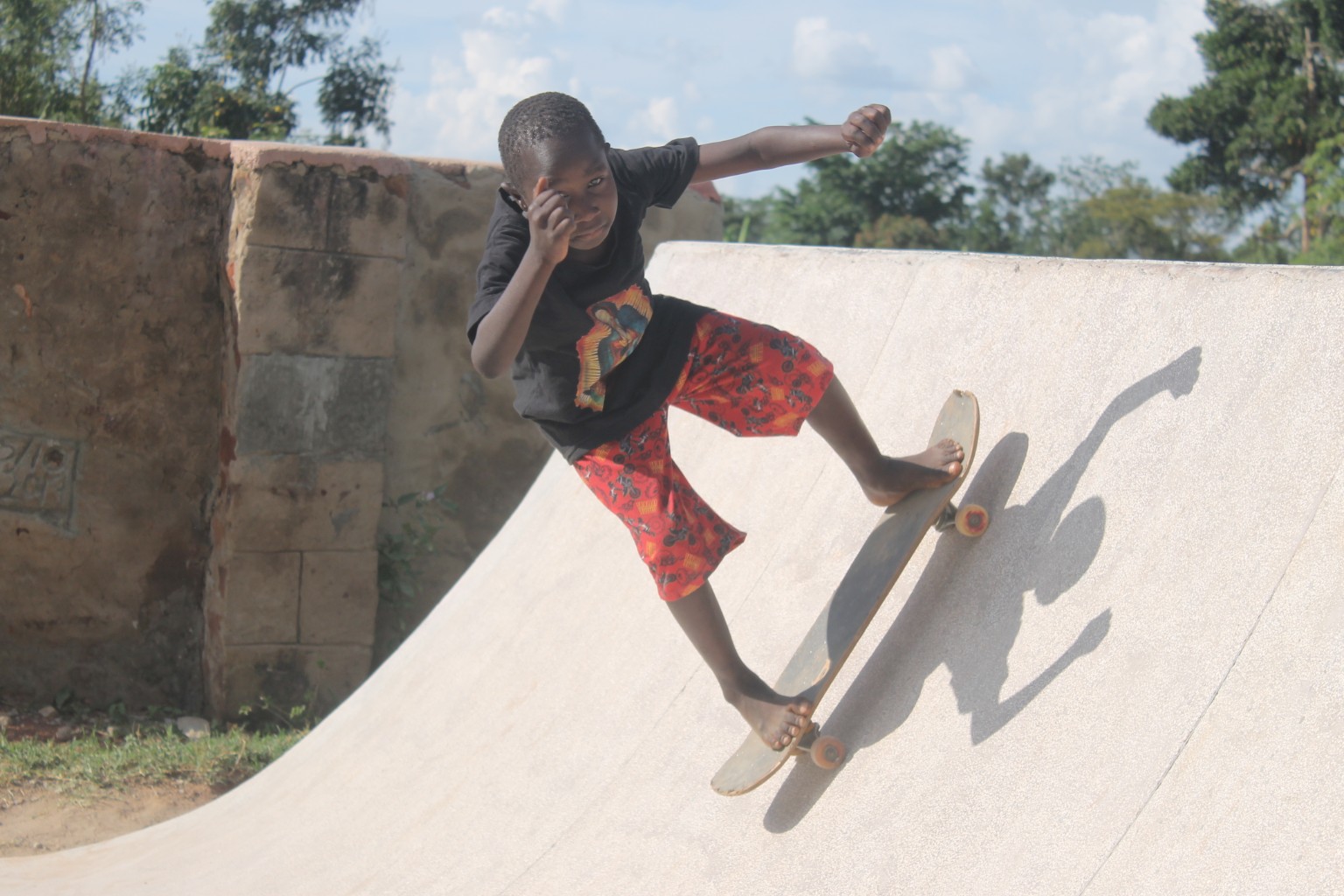
KIZZA DAVID — THE FOUNDER BEHIND THE MISSION
Every important project has people whose names become part of its history.
For St. Charles Skatepark, one of those names is Kizza David.
Kizza David is the founder of The Skatepark Mission.
He was not simply someone who supported the project from a distance.
He was directly involved in turning the vision into reality.
Kizza David designed and built St. Charles Skatepark.
His role was therefore central to the creation of the facility.
The design required imagination.
The construction required determination.
The combination of the two transformed the donated land into a place designed specifically for skateboarding.
The project represented a simple but powerful idea:
If young people do not have a place to skate, build one.
If opportunities are limited, create opportunities.
If a community has young people with talent and ambition, give them somewhere to develop.
That philosophy became part of the foundation of The Skatepark Mission.
AUGUST 2019 — THE BEGINNING OF CONSTRUCTION
In August 2019, construction of St. Charles Skatepark began.
This was the moment when the dream started becoming physical.
The land was no longer simply land.
It was becoming a project.
The plans were no longer only ideas.
They were becoming structures.
The vision was beginning to take shape.
Construction required work, patience, determination, and commitment.
A skatepark cannot be created simply by wishing for it.
It must be designed.
It must be built.
It must be shaped.
It must be made ready for people to use.
Kizza David took on the responsibility of designing and building the skatepark.
Step by step, the project moved forward.
The future skatepark began emerging from the ground.
And with every stage of construction, the possibility became more visible.
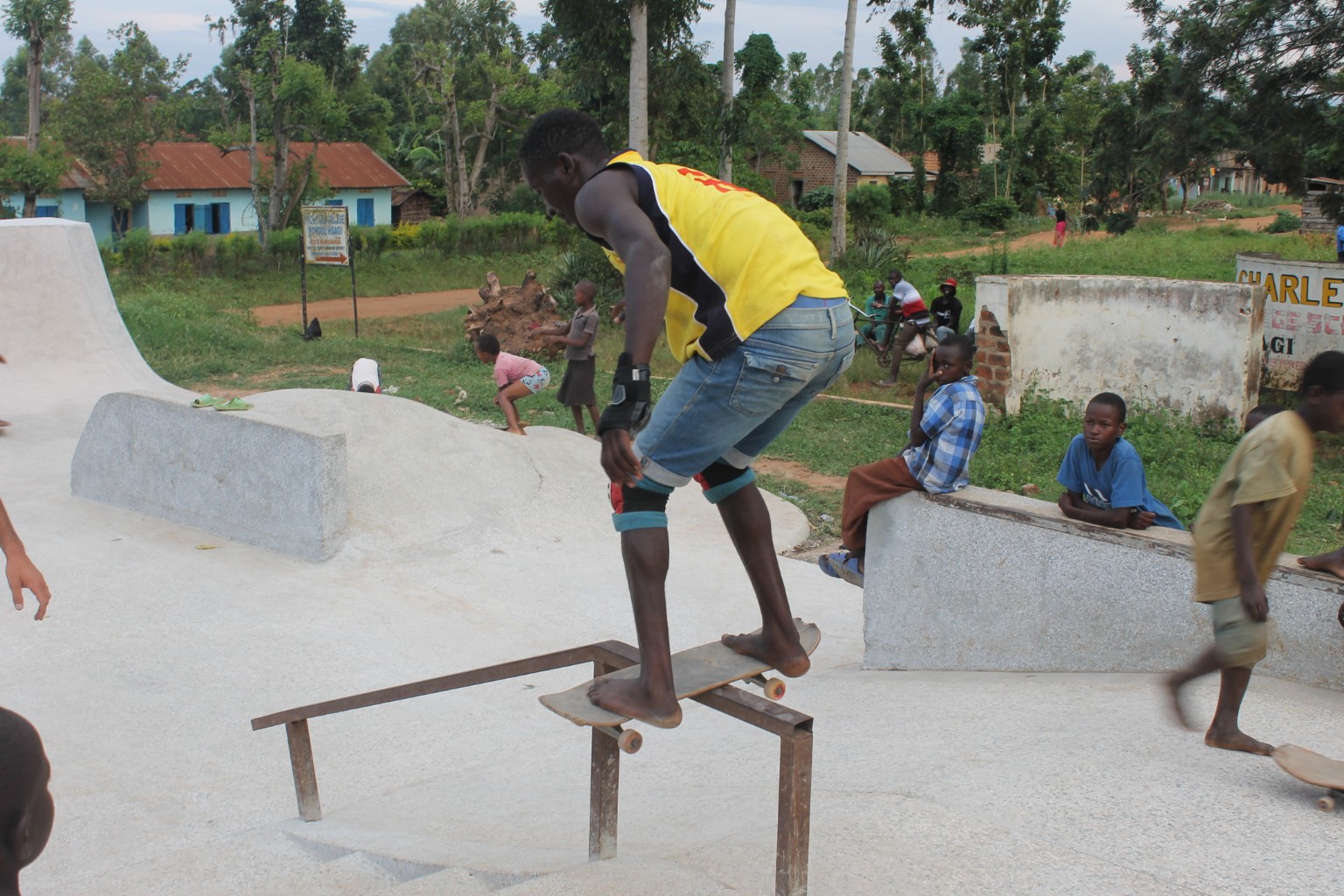
FROM LAND TO SKATEPARK
There is a special moment in every construction project when people can finally begin to see what the finished structure will become.
At first, it may be difficult to imagine.
There is an empty space.
Then there are materials.
Then foundations.
Then structures.
Then shapes begin appearing.
Eventually, people can look at the site and understand:
This is going to be a skatepark.
That transformation is what happened at St. Charles.
The work of Kizza David transformed the land into a place designed for movement, creativity, practice, and community.
The skatepark was not simply built as a monument.
It was built to be used.
It was built for young people.
It was built for skateboarders.
It was built for the community.
WHEN THE SKATEPARK CAME ALIVE
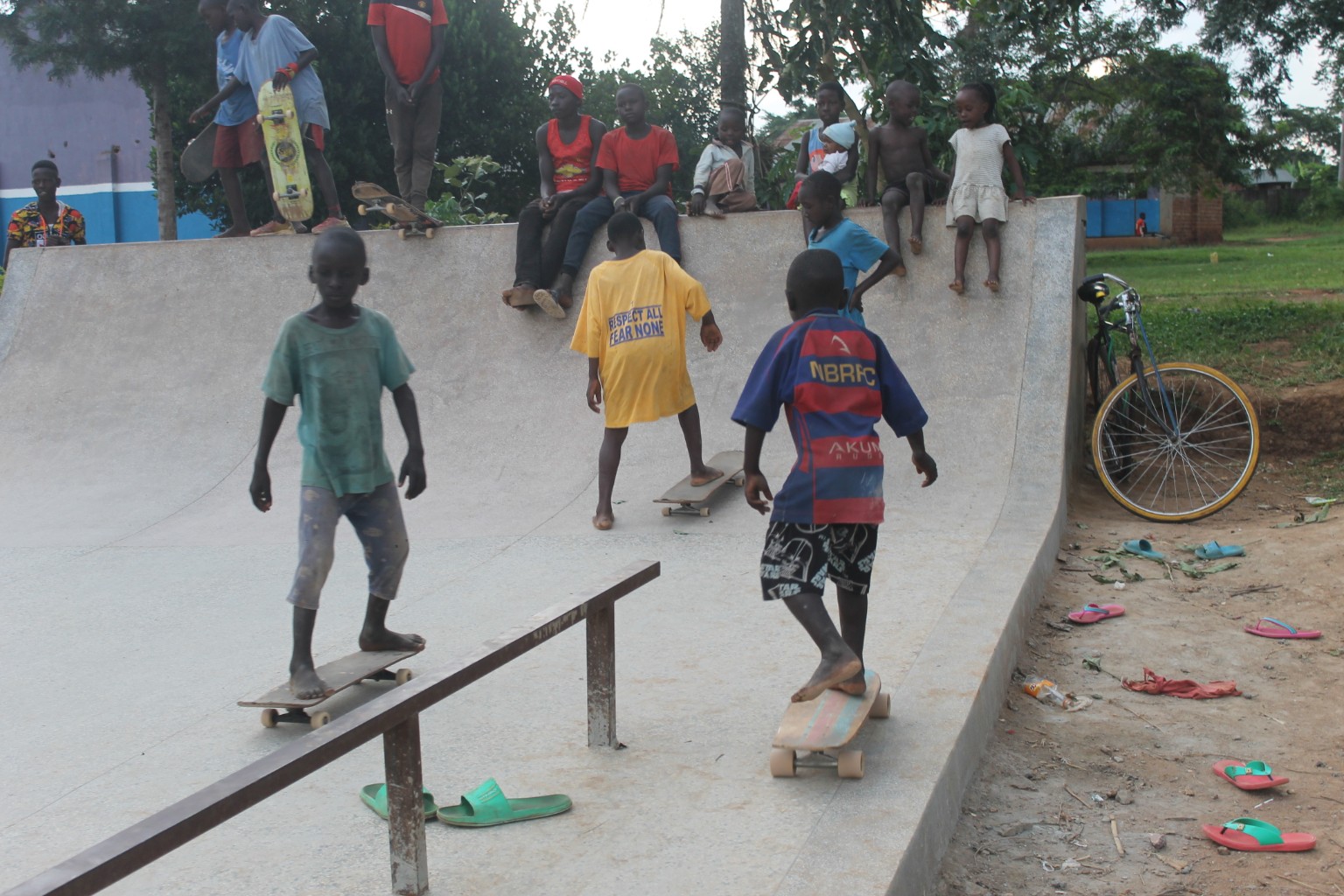
A skatepark is only truly alive when people begin using it.
The moment a skateboard touches the concrete, the purpose of the structure becomes clear.
A young person pushes forward.
The wheels roll.
The rider learns to balance.
They move.
They stop.
They try again.
And suddenly, the empty space has become something completely different.
It has become a place of activity.
A place of learning.
A place of friendship.
A place of energy.
St. Charles Skatepark began its journey from being a construction project to becoming a community space.
The concrete was ready.
The young people were ready.
The journey had begun.
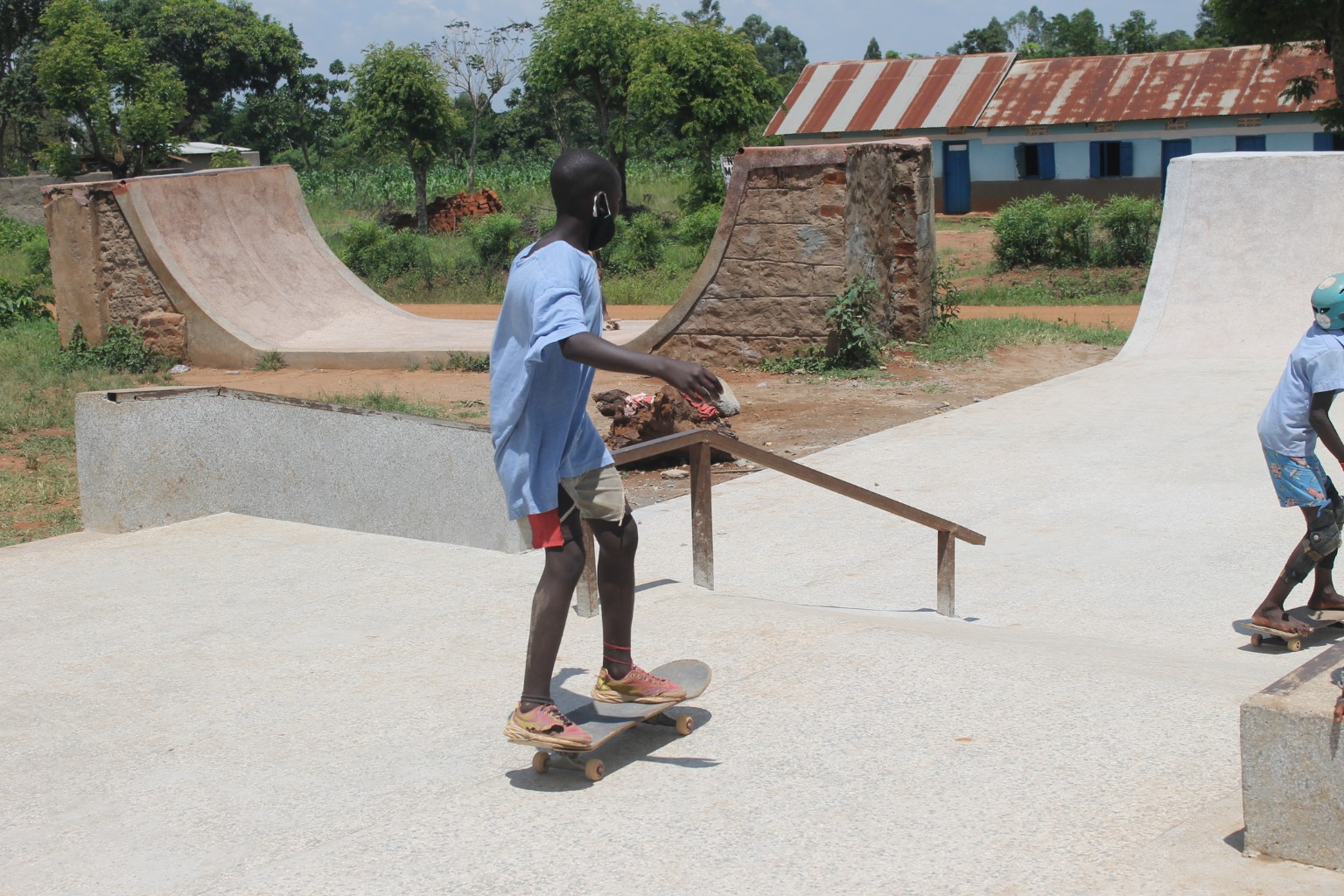
THE FIRST LESSON — FALLING IS PART OF LEARNING
Every skateboarder knows something that life teaches us repeatedly:
You are going to fall.
It is not a question of whether you will fall.
It is what you do afterward that matters.
A beginner may stand on the skateboard and immediately lose balance.
They may fall.
They may become frustrated.
They may laugh.
They may want to stop.
But someone may say:
"Try again."
And they do.
The second attempt may be better.
The third may be better still.
Eventually, something that once seemed impossible becomes possible.
This is one of the greatest lessons that St. Charles Skatepark can give to young people.
Failure does not have to define you.
Falling does not mean you cannot succeed.
Sometimes falling is simply part of learning how to stand.
THE SKATEPARK AS A CLASSROOM
A classroom does not always have four walls.
At St. Charles, young people can learn lessons that cannot easily be taught from a textbook.
They learn patience.
They learn balance.
They learn coordination.
They learn discipline.
They learn persistence.
They learn how to handle disappointment.
They learn how to celebrate progress.
They learn how to encourage others.
They learn how to ask for help.
They learn how to help someone else.
These lessons can remain valuable long after the skateboard is put away.
A young person who learns to keep trying after falling may carry that attitude into school.
They may carry it into work.
They may carry it into business.
They may carry it into family life.
The skatepark can therefore become a classroom without walls.
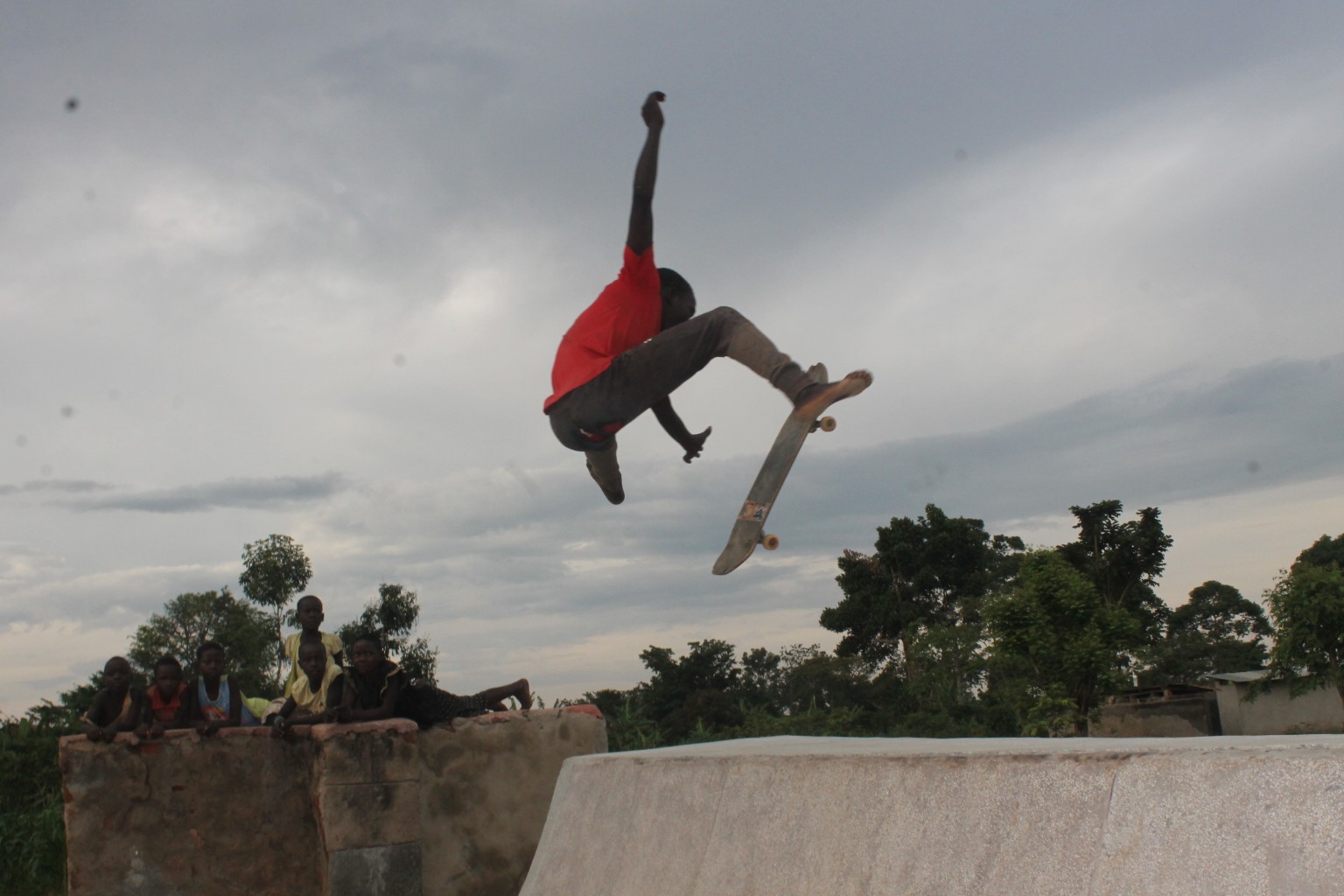
A PLACE FOR YOUNG PEOPLE
One of the greatest needs of any community is positive space for young people.
Young people need places where they can gather.
They need activities that challenge them.
They need opportunities to make friends.
They need adults who believe in them.
They need places where their energy can be directed toward something constructive.
St. Charles Skatepark provides such a space.
Instead of simply watching other people live their dreams, young people can participate.
Instead of being told what they cannot do, they can experiment with what they might be able to do.
Instead of being afraid of failure, they can learn that failure is part of progress.
The skatepark gives young people something to do with their energy, creativity, and ambition.
THE POWER OF CONFIDENCE
Confidence rarely appears all at once.
It grows through small achievements.
The first time a child stands on a skateboard.
The first time they push.
The first time they turn.
The first time they complete a trick.
The first time they help someone else.
Each achievement sends a message:
"I can learn."
"I can improve."
"I can do difficult things."
That message is powerful.
A young person who begins believing in their ability to learn may begin approaching other parts of life differently.
The skatepark becomes a place where confidence can grow one small victory at a time.
FRIENDSHIPS ON FOUR WHEELS
One of the beautiful things about skateboarding is that it creates connections.
Two people may meet because they both want to skate.
One may be experienced.
The other may be a beginner.
The experienced skater can teach.
The beginner can learn.
A conversation begins.
A friendship develops.
Soon, the friendship becomes part of the wider skateboarding community.
At St. Charles, the skateboard can become more than sporting equipment.
It becomes a bridge between people.
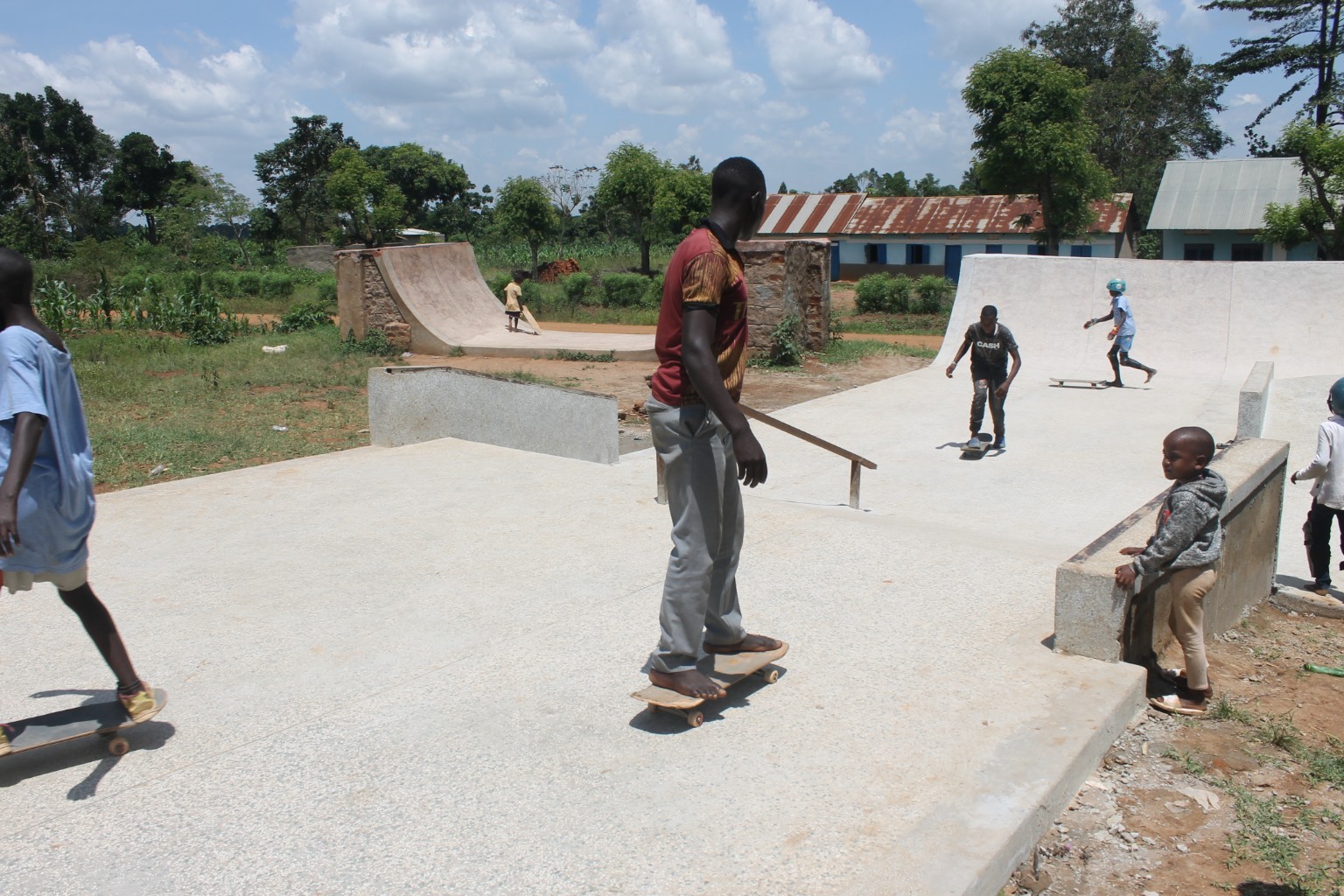
A COMMUNITY WITHOUT BARRIERS
A skatepark can bring together people who might otherwise never meet.
Young people from Nsagi can meet people from neighboring communities.
Beginners can meet experienced riders.
Children can learn from older skaters.
Visitors can meet local riders.
Different backgrounds can come together through a shared passion.
The board does not ask where someone was born.
It does not ask how wealthy their family is.
It does not ask what school they attend.
It simply provides an opportunity to ride, learn, and connect.
That can make the skatepark an important community meeting point.
A SPACE FOR GIRLS AND BOYS
A healthy community is one where young people have opportunities to participate regardless of gender.
Skateboarding can provide girls and young women with another opportunity to participate in sport, develop confidence, and express themselves.
A young girl may initially stand at the edge of the park.
She watches.
She becomes curious.
She tries.
She falls.
She gets back up.
And eventually, she learns.
When another girl sees her, she may realize that she too can participate.
One person can therefore become an example for another.
The skatepark can become a place where confidence is not reserved for a particular group of young people.
HEALTH, MOVEMENT, AND ENERGY
Young people need movement.
They need physical activity.
They need opportunities to challenge their bodies.
Skateboarding provides all of these.
Riding requires balance.
It requires coordination.
It requires concentration.
It requires repeated physical effort.
But unlike exercise that can sometimes feel like a chore, skateboarding can make physical activity enjoyable.
A young person may not think:
"I am exercising."
They may simply think:
"I am skating."
That enjoyment can encourage continued participation.
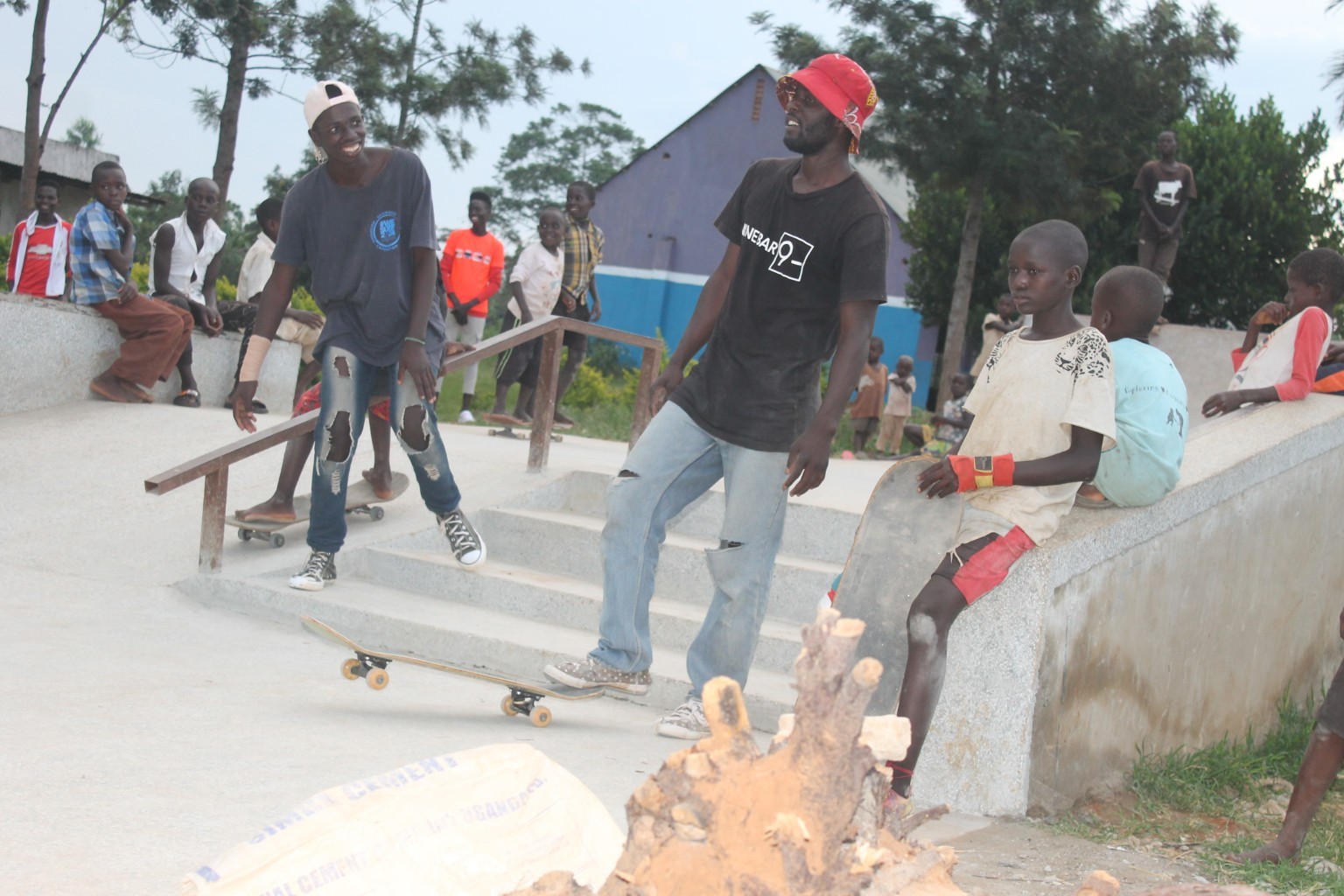
CREATIVITY ON CONCRETE
Skateboarding is not only about athletic ability.
It is also about creativity.
A skater can look at an obstacle and imagine different ways of using it.
They can develop their own style.
They can experiment.
They can create.
They can solve problems through movement.
This encourages young people to think differently.
There is no single way to approach every challenge.
Sometimes the best solution is the one you discover yourself.
That is another lesson the skatepark can teach.
FROM NSAGI TO NEIGHBORING COMMUNITIES
Although St. Charles Skatepark is located in Nsagi Village, its influence can reach beyond Nsagi.
People travel.
Young skaters tell their friends.
Visitors discover the park.
Communities connect.
The skatepark can therefore become a gathering point for people from surrounding areas.
It creates opportunities for interaction and cultural exchange.
It also gives young people from neighboring communities an opportunity to discover skateboarding.
In this way, the skatepark becomes part of something larger than the village itself.
UGANDA'S SKATEBOARDING STORY
The story of St. Charles Skatepark is also part of the broader story of skateboarding in Uganda.
Skateboarding has been developing through grassroots communities, athletes, organizers, and projects that have worked to create opportunities for young people.
Uganda's skateboarding community demonstrates that the sport can be more than competition.
It can be community.
It can be culture.
It can be youth development.
It can be creativity.
It can be opportunity.
St. Charles Skatepark contributes another important chapter to this story.
It demonstrates that skateboarding can take root in communities and become part of local life.
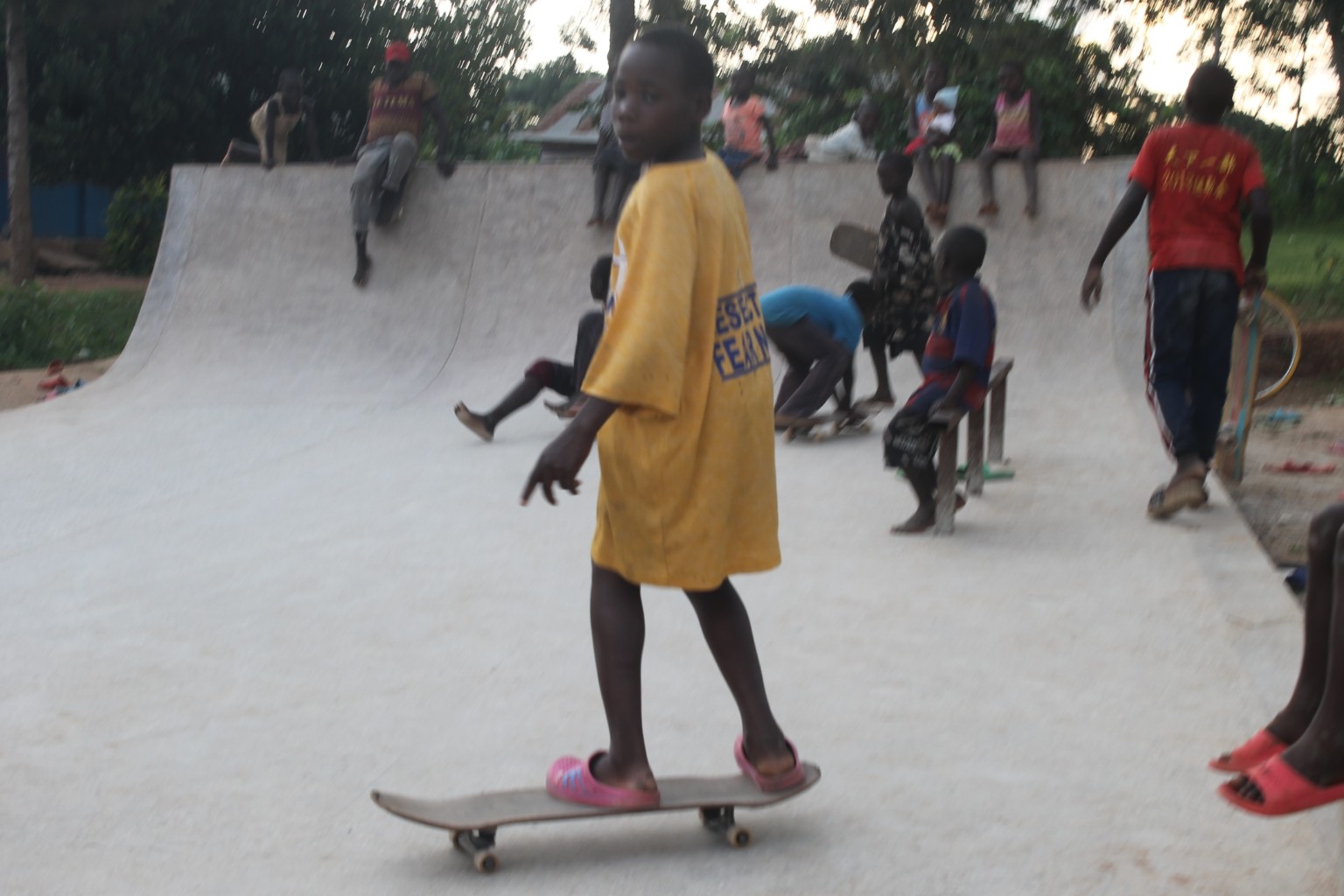
THE SKATEPARK MISSION
The name The Skatepark Mission represents the wider purpose behind the project.
The mission is not simply to construct concrete structures.
It is to create opportunities.
A skatepark can be a place where a young person discovers a sport.
It can be a place where someone finds friendship.
It can be a place where a beginner finds a mentor.
It can be a place where an athlete discovers talent.
It can be a place where a young person learns resilience.
It can be a place where a community comes together.
Kizza David founded The Skatepark Mission and designed and built St. Charles Skatepark as part of that vision.
The physical skatepark is therefore an expression of a larger mission: using skateboarding and skatepark spaces to create opportunities for people.
THE BUILDER — KIZZA DAVID
The story of St. Charles Skatepark must always recognize the work of Kizza David.
He is the founder of The Skatepark Mission.
He designed St. Charles Skatepark.
And he built it.
His role connects the idea, the design, and the physical structure.
Many people can imagine a skatepark.
But someone has to take that idea and turn it into reality.
Kizza David did that.
He took the opportunity created by the donated land and transformed it into a place where skateboarding could take place.
His work is therefore permanently connected to the identity and history of St. Charles Skatepark.
TWO FOUNDATIONS
The history of St. Charles Skatepark rests on two important foundations.
The first foundation was generosity.
Mr. Bampalana Charles Kakooza donated the land.
The second foundation was vision and action.
Kizza David, founder of The Skatepark Mission, designed and built the skatepark.
One contribution provided the place.
The other transformed the place.
And then the community gave the project its life.
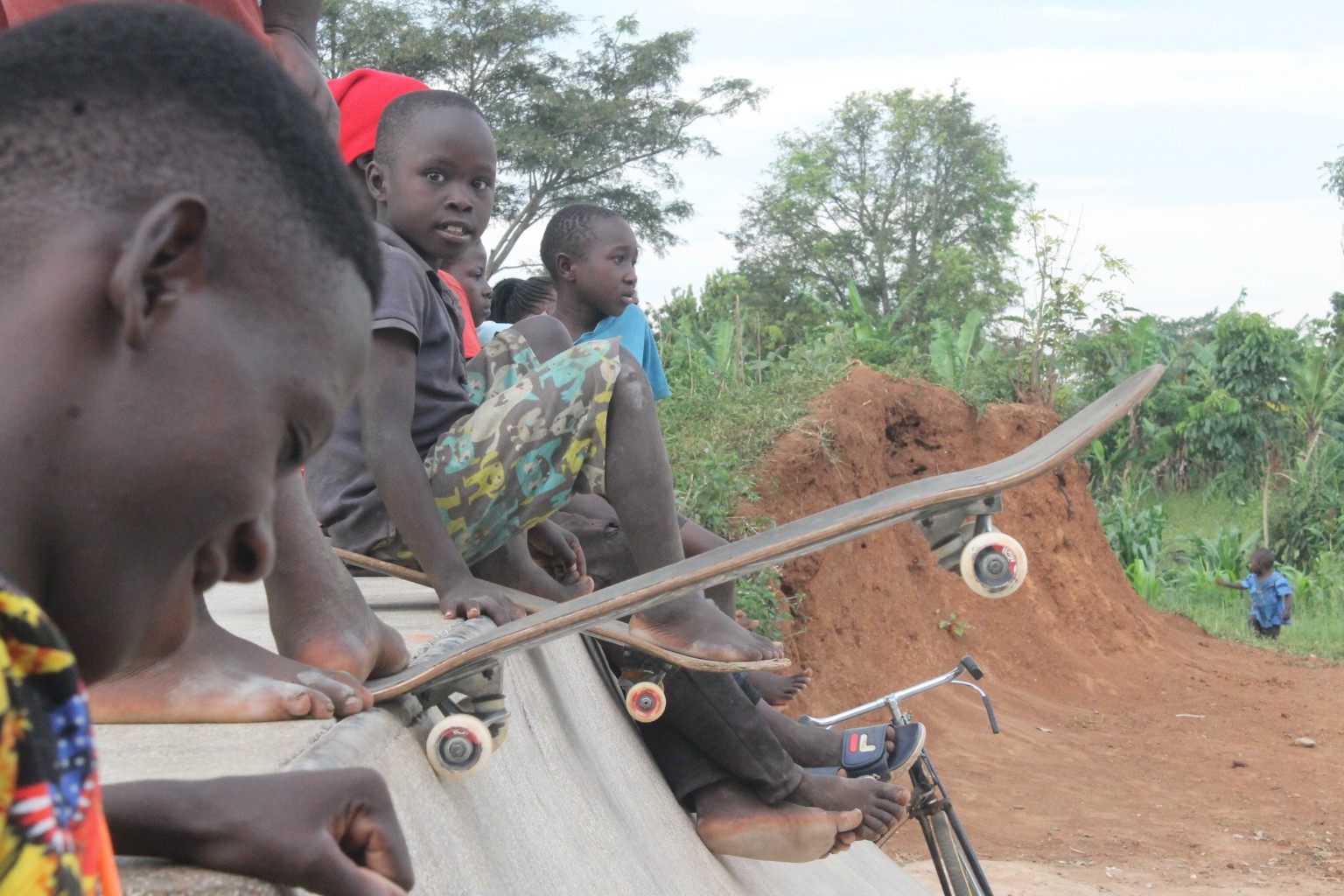
Young people came.
Skateboards rolled.
Friendships formed.
Skills developed.
And the skatepark became a living community.
THE HIDDEN TALENTS
Every community has talent.
Sometimes that talent is easy to see.
Sometimes it is hidden.
A young person may have extraordinary balance.
Another may have natural athletic ability.
Another may have leadership skills.
Another may become a coach.
Another may become a photographer.
Another may become a filmmaker.
Another may become interested in event organization.
Another may become an entrepreneur.
A skatepark can help reveal these talents.
The skateboard is often just the beginning.
What grows around it can be much larger.
MENTORSHIP
One of the most valuable things an experienced skateboarder can give a beginner is not a skateboard.
It is encouragement.
"Try again."
"Move your foot."
"Keep your balance."
"Don't give up."
"You almost had it."
These simple words can make a difference.
The experienced rider remembers being a beginner.
They understand the frustration.
They understand the fear.
And they know that improvement takes time.
Eventually, the beginner becomes experienced.
Then they become the person encouraging someone else.
This creates a cycle of mentorship.
One generation teaches the next.
THE ECONOMIC POSSIBILITIES
The benefits of a community skatepark can extend beyond recreation.
As people travel to visit the facility, there can be opportunities for local economic activity.
Visitors may use transportation.
They may buy food and drinks.
Events may attract people from outside the immediate community.
Skateboarding can also create opportunities related to coaching, equipment, event organization, photography, filmmaking, media, merchandise, maintenance, and other activities.
A skatepark can therefore contribute to the wider local ecosystem.
The greater the community around the sport becomes, the greater the range of possibilities can become.
Help the mission reach more kids.
Support The Skatepark Mission as it works to create more opportunities for young people in underserved communities through skateboarding and skatepark spaces.
Donate through GoFundMe